For years, e-commerce was built around a relatively simple formula: show a product, describe it well, and make the checkout process fast. Product pages became richer, photography improved, and recommendation algorithms became smarter. Yet despite all these optimizations, one problem remained unchanged: customers were still expected to imagine.
For the next generation of shoppers, imagination is no longer enough.
Generation Z — born into a world of smartphones, social platforms, gaming ecosystems, and always-on digital experiences — approaches commerce differently from previous generations. They are not simply online shoppers. They are digital natives who grew up interacting, creating, customizing, and participating. They expect experiences that feel dynamic, personalized, and immediate.
The shift is already visible across fashion and retail. The traditional shopping funnel is becoming less linear and more experience-driven, with younger consumers placing greater value on interactive and immersive digital experiences rather than passive browsing.
For brands, this creates a fundamental question:
How do you sell to a generation that wants to experience products before purchasing them?
The answer increasingly points toward immersive commerce.
Gen Z Doesn't Shop Like Previous Generations
Millennials adapted to the internet.
Gen Z grew up inside it.
They discovered products through social media instead of catalogs. They learned through YouTube instead of manuals. They built digital identities across gaming platforms, social networks, and creator ecosystems.
As a result, their expectations of online shopping differ significantly.
- Traditional e-commerce often looks like this:
- Product image
- Product description
- Reviews
- Buy button
But from a Gen Z perspective, this often feels incomplete.
Static product pages create questions:
- "How large is that bag actually?"
- "Will these sneakers fit my style?"
- "How would this jacket look on me?"
- "Is this really worth buying?"
Research examining Generation Z behavior around virtual try-on experiences found that usefulness, enjoyment, and ease of use significantly influence purchase intentions and shopping experiences.
In other words: Experience itself increasingly influences purchase decisions.
The Rise of Immersive Commerce
Immersive commerce is often described as the next evolution of e-commerce: experiences where customers interact with products rather than merely viewing them.
Instead of browsing products passively, shoppers become participants.
Examples include:
- Virtual try-ons
- Augmented reality experiences
- AI-powered personalization
- Interactive digital mirrors
- Digital twins
- Social shopping environments
The difference may appear subtle, but the behavioral impact is large.
Traditional shopping asks: "Can I imagine this?"
Immersive shopping asks: "Can I experience this?"
That difference matters for Gen Z.
According to research from Snap, 92% of Gen Z consumers expressed interest in using augmented reality while shopping online.
This does not necessarily mean Gen Z wants technology for the sake of technology. They want reduced uncertainty. They want confidence. They want personalization. And they want shopping to feel less like work.
Why Virtual Try-On Fits Gen Z Expectations
Among immersive technologies, Virtual Try-On (VTO) has become one of the strongest examples of experience-driven commerce.
The reason is straightforward: Fashion is deeply personal.
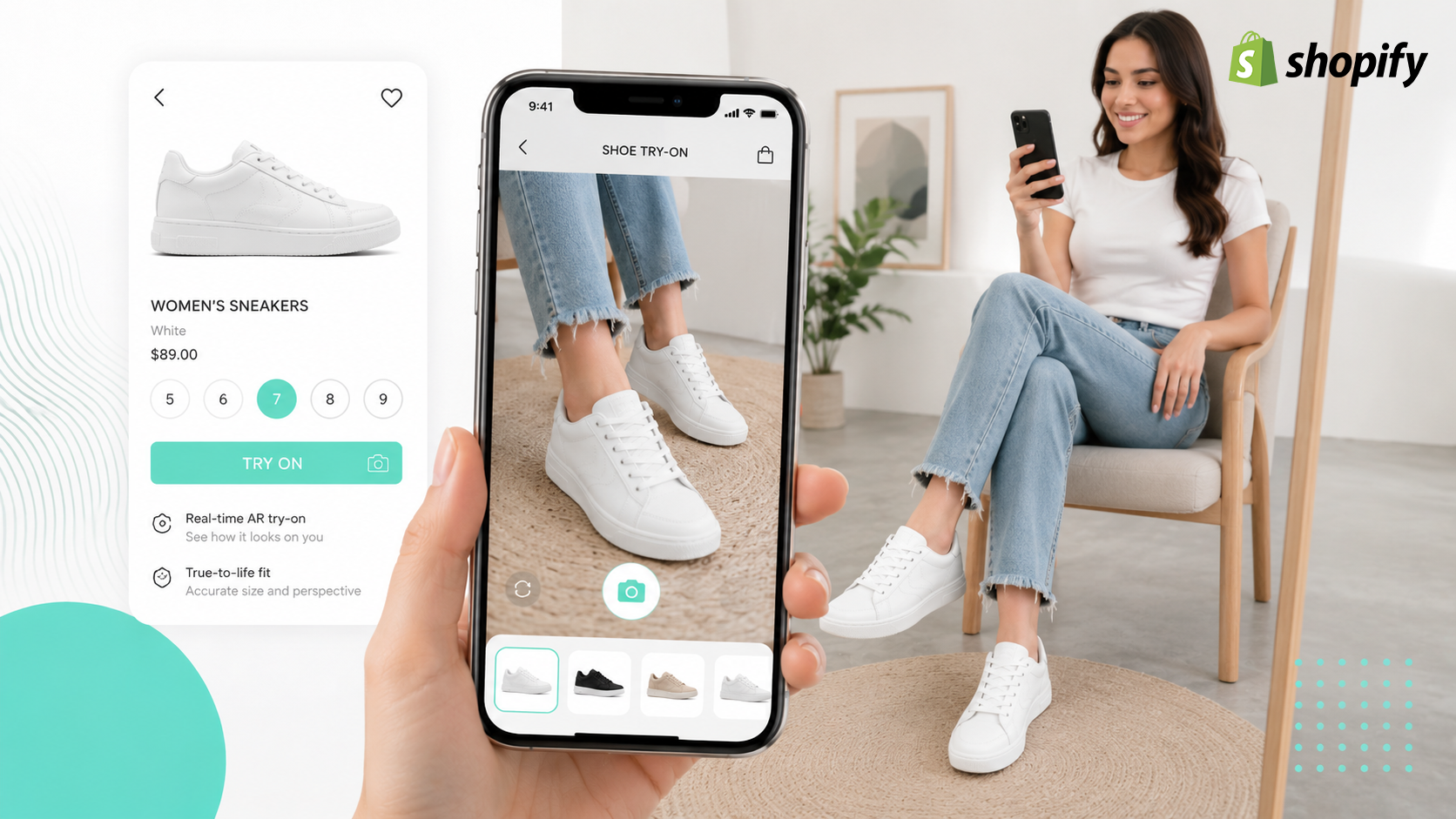
Static product images force customers to mentally fill gaps between what they see and what they expect to receive. Virtual try-on removes much of that uncertainty. Instead of imagining shoes on their feet, customers see them instantly. Instead of estimating handbag size, they view it directly against their body. Instead of guessing how clothing might look, AI-generated try-on systems show realistic visualizations.
This creates a shift from assumption toward confidence.
Research focused on Gen Z virtual try-on adoption found that positive factors including visual information, emotional value, convenience, and personalization significantly influence willingness to use these experiences. That aligns closely with how modern VTO systems are evolving.
Experience Is Becoming More Important Than Product Pages
One major misconception is that Gen Z wants entertainment. The reality is more nuanced. They want usefulness delivered through engaging experiences.
For example:
- AR shoe try-on does not succeed because it feels futuristic. It succeeds because customers immediately understand how a product looks on them.
- Generative AI apparel experiences do not succeed because AI is trendy. They succeed because they reduce uncertainty.
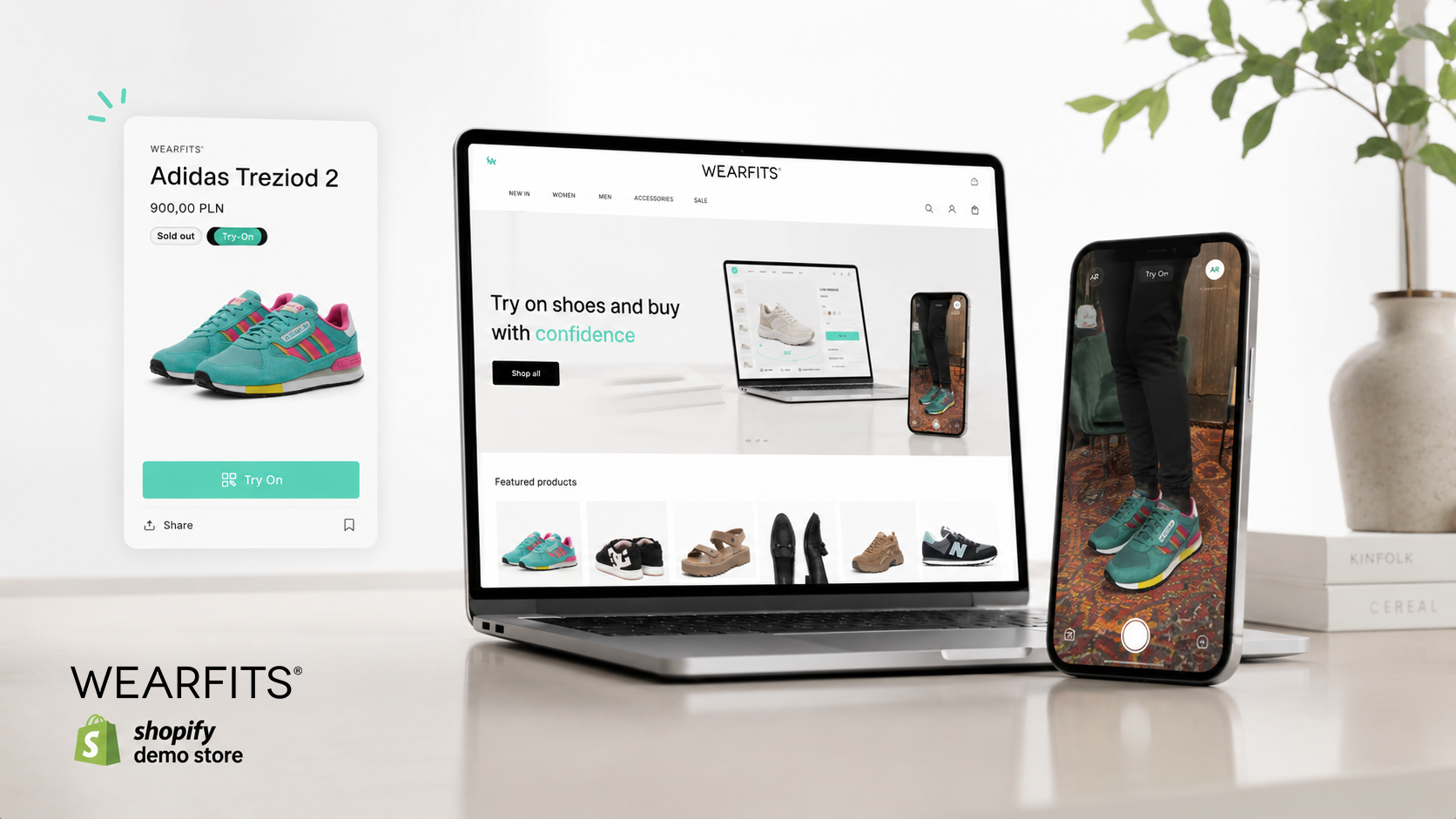
WEARFITS implementations across footwear and fashion categories increasingly focus on these practical outcomes:
- stronger customer engagement
- higher purchase confidence
- reduced returns
- faster purchase decisions
Similarly, mobile shoe try-on deployments created smoother and more interactive shopping experiences directly inside existing customer journeys rather than introducing additional complexity. This distinction matters because Gen Z rarely separates experience and utility. The best experiences feel useful.
Gen Z Expects Omnichannel Experiences
Another major shift involves channels. Previous generations accepted fragmentation: Website here. App there. Store somewhere else.
Gen Z increasingly expects continuity. They might: Discover a product on TikTok. Open a try-on experience from Instagram. Save products on mobile. Continue exploring in-store. Purchase later from a laptop.
To them, these are not separate channels. They are simply one experience.
Modern virtual try-on infrastructure increasingly reflects this expectation.
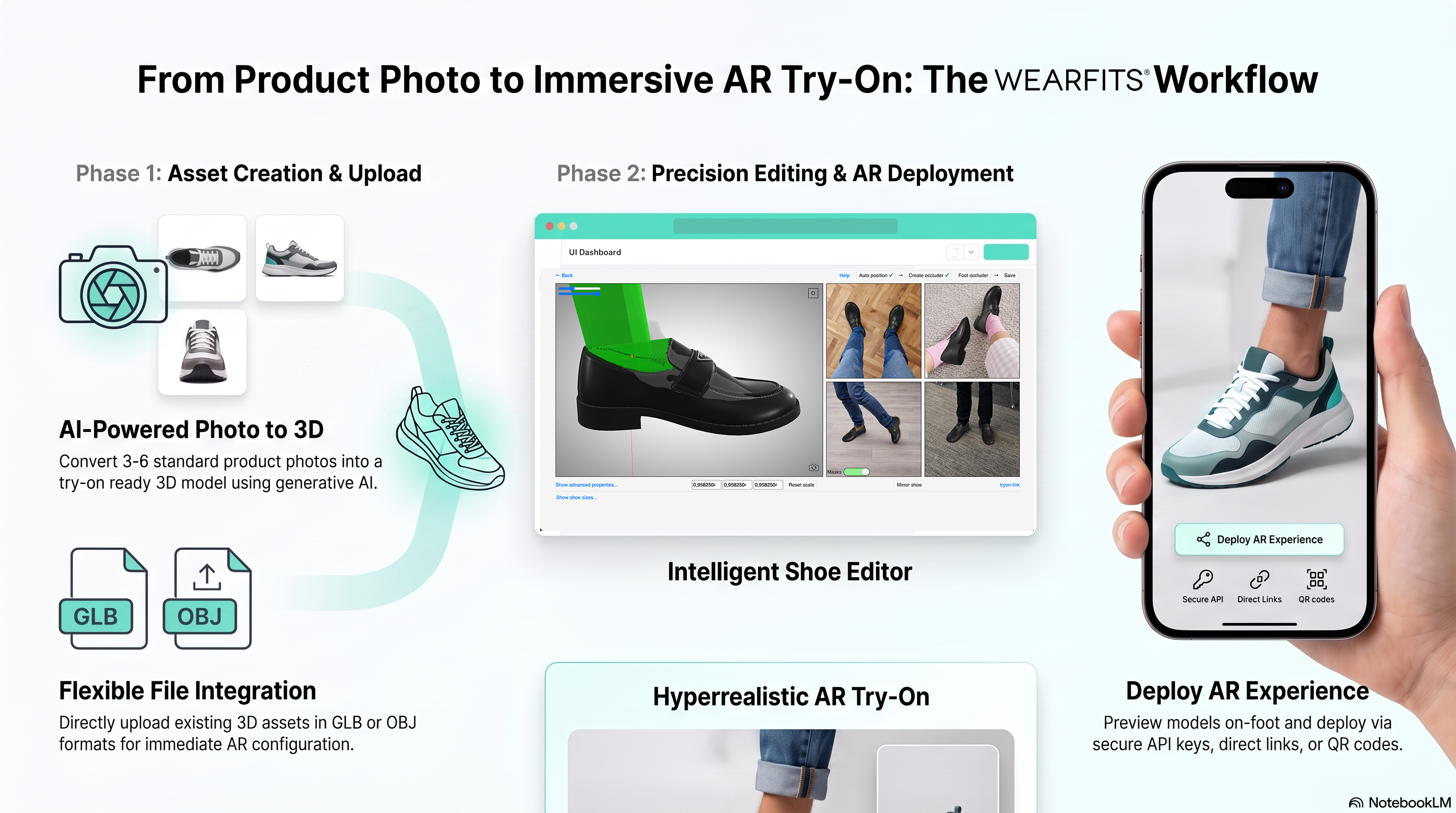
Rather than building disconnected systems, omnichannel platforms can use one shared pipeline across:
- websites
- mobile apps
- AR mirrors
- digital displays
- in-store experiences
This matters because consistency creates familiarity. And familiarity creates trust.
Authenticity Matters More Than Technology
Gen Z quickly identifies experiences that feel artificial. Technology alone is rarely impressive.
Poor experiences become problems:
- unrealistic rendering
- distorted body shapes
- inaccurate sizing
- long loading times
- excessive friction
If virtual experiences feel fake, trust disappears immediately. This explains why recent advances increasingly focus on:
- photorealistic rendering
- preserving body proportions
- true-to-scale visualization
- fast processing
- low-friction interaction
The technology itself becomes invisible. And that is often when technology works best.
The Future Isn't "Online vs Offline"
For Gen Z, distinctions between digital and physical retail continue to blur. A store window can become a try-on point. An Instagram campaign can become a fitting room. A mobile phone can become a personal stylist. Products increasingly exist as digital twins that move between channels seamlessly. This is not simply a technology trend. It represents a broader change in expectations. Consumers increasingly expect products to adapt to them — not the other way around.
The immersive shift is not really about augmented reality, AI, or virtual try-on. Those are tools. The larger change is behavioral.
Gen Z has grown up in environments where experiences are interactive, personalized, and immediate. They no longer want to browse products passively and imagine outcomes themselves. They want to explore. They want to participate. They want to experience.
For brands, meeting these expectations may require rethinking how products are presented entirely. Because the next generation of shoppers is not asking:
"Can I buy this?"
They are asking:
"Can I see it, try it, and experience it first?"