Shopify
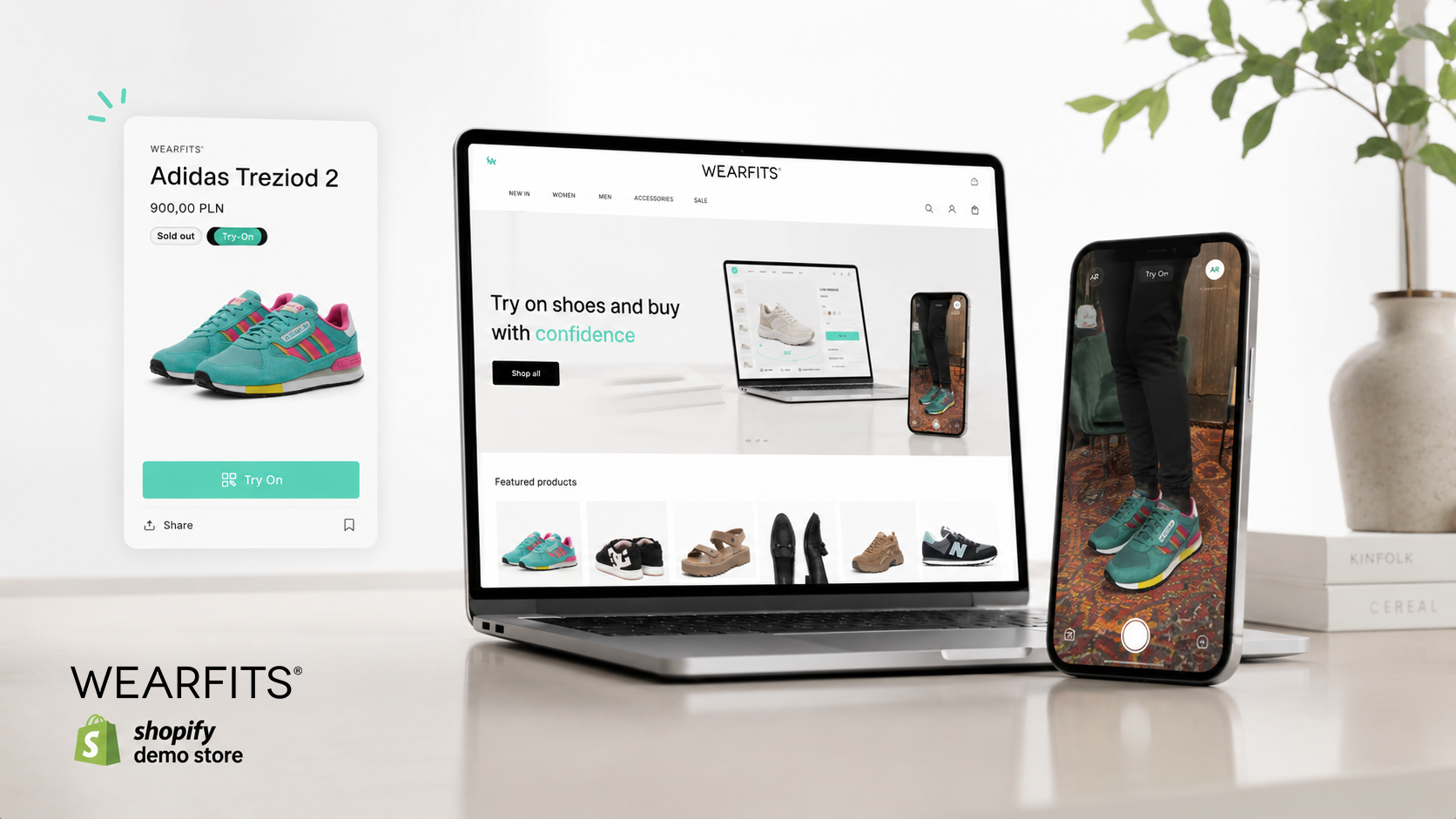
AR Try-On
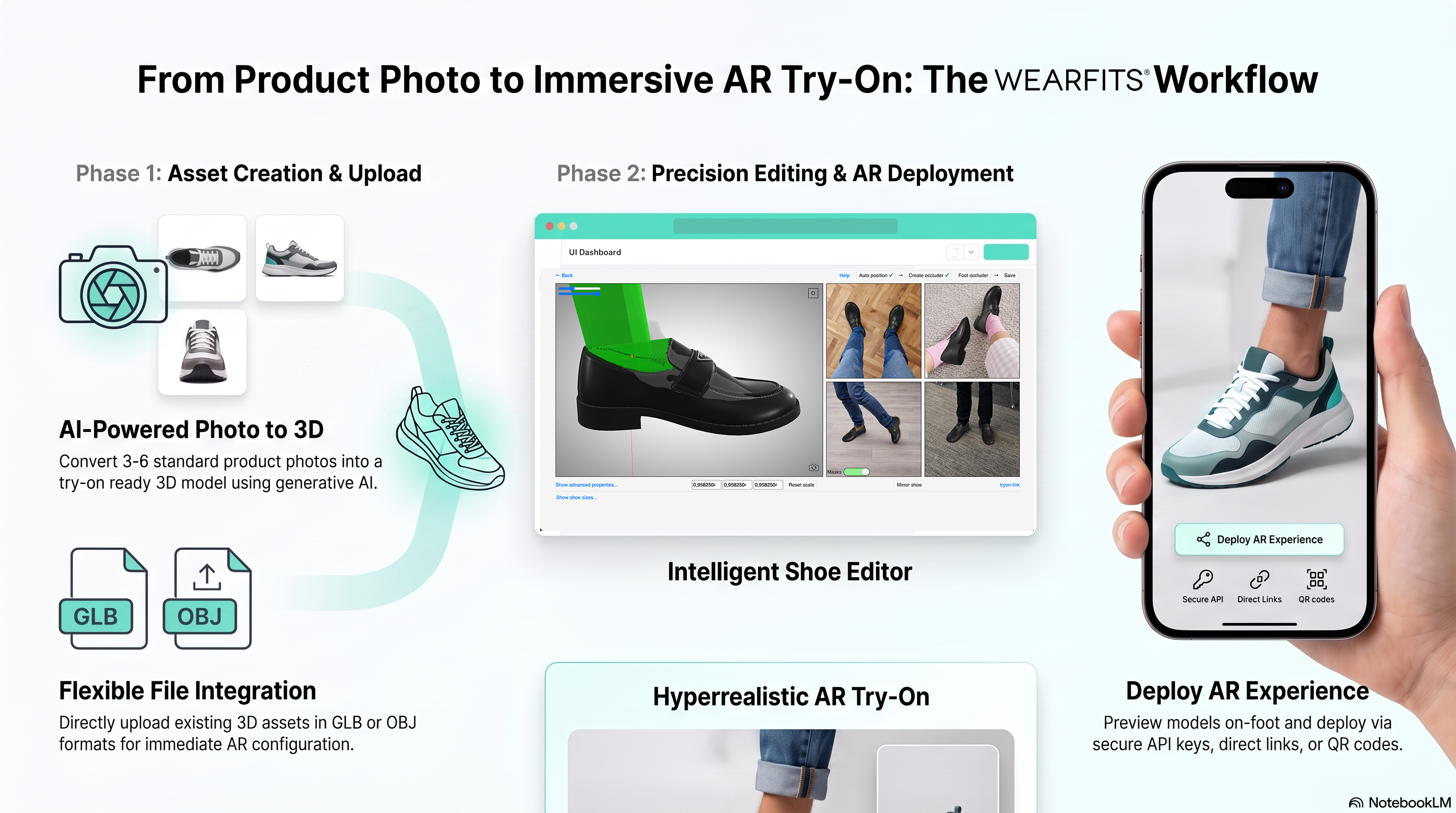
2D-to-3D

Returns have become one of the biggest profit drains in fashion e-commerce.
At first glance, a return may look like a simple refund. In reality, it sets off a costly chain reaction: reverse shipping, customer support, warehouse handling, quality checks, repackaging, restocking delays, potential markdowns, and sometimes inventory that can no longer be sold as new.
For fashion categories such as apparel, shoes, bags, and accessories, the challenge is especially serious. Customers are often asked to make personal, style-sensitive buying decisions using only a handful of product images, a size chart, and their own imagination.
That is where the problem starts. Traditional online shopping still leaves customers guessing about some of the most important purchase questions:
When those questions remain unanswered before checkout, customers answer them after delivery. And when reality does not match expectations, the product comes back.
Why Fashion Returns Really Happen
Most fashion returns are caused by a gap between what the shopper expected and what actually arrived.
The item may be accurately described. The photos may be professional. The size chart may be technically correct. But if the shopper imagined something different, the order is still at risk.
In footwear, customers may return products because the shape, bulk, comfort, or on-foot appearance feels wrong. In apparel, the issue is often fit, fabric movement, body proportions, or how the garment sits. In bags and accessories, scale is a common reason: a bag that looks balanced in a studio image may feel too big, too small, or awkward when worn.
For years, brands have tried to solve this by adding more content to product pages: more images, more copy, more reviews, more measurements, more videos. These assets are useful, but they still leave the customer with a lot of mental work to do.
The real goal is not simply to add more information. The goal is to help shoppers make a confident decision before they buy.
Before changing your return policy or adding new tools, start with your data. Break return reasons into clear categories, such as:
This matters because every return type has a different fix. A damaged delivery points to a logistics problem. A size return points to fit guidance. A “not as expected” return usually points to weak product visualization.
Once you know which return reasons are most common, you can focus on the part of the customer journey that needs improvement most.
Most fashion product pages still follow the same basic format: images, price, size selector, description, reviews, and add-to-cart button.
That format may be familiar, but it is also passive. It shows the product, but it does not always help the shopper decide.
A stronger product page should actively answer the questions customers are already asking:
This is where interactive product experiences become valuable. Tools such as 360-degree viewers, product videos, fit guidance, AR previews, and virtual try-ons help shoppers move from guessing to understanding.
A product page should not only display the product. It should reduce doubt.
Virtual try-on helps solve one of the biggest weaknesses of online fashion shopping: lack of context.
A standard product image shows the item on its own or on a model. Virtual try-on helps the customer see the item in relation to themselves.
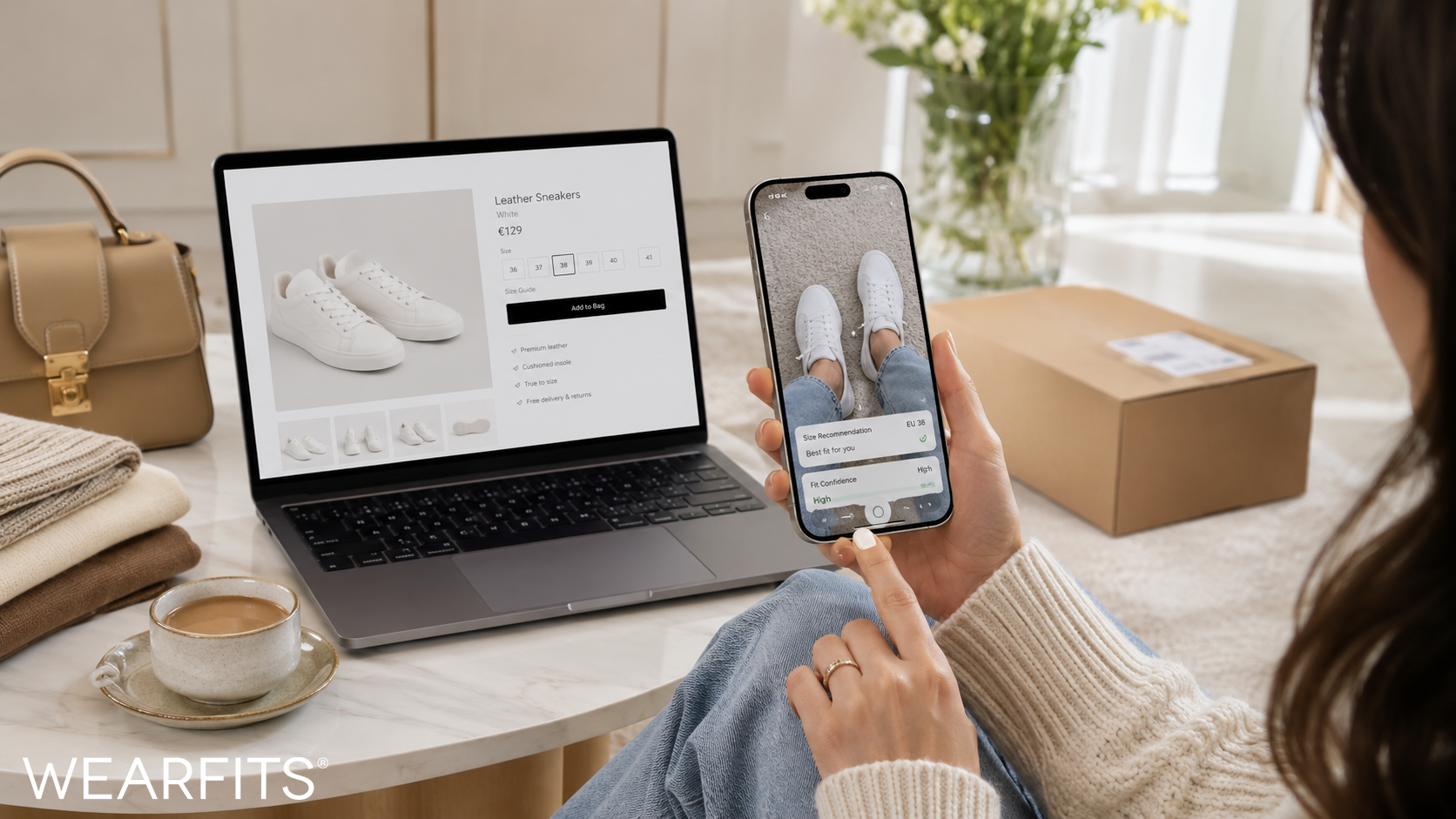
For shoes, AR try-on lets the shopper see the product on their own feet. For bags, it helps them understand scale and body placement. For apparel, AI-powered try-on can help shoppers visualize how a garment may look on their own body or digital twin.
This changes the buying mindset. Instead of asking, “Do I like this product in the photo?” the customer can ask, “Does this work for me?”
That shift is important. If a customer realizes before purchase that a sneaker looks too bulky, a handbag feels too small, or a color does not suit their wardrobe, they can avoid a bad order before it ever ships.
Virtual try-on helps customers understand style, scale, and appearance. But for footwear and apparel, size is still a separate challenge.
That is why the strongest return-reduction strategies combine visualization with intelligent sizing support.
For shoes, this may include foot scanning, AI size prediction, comfort mapping, or product-specific fit recommendations. For apparel, it may include body measurements, garment dimensions, fabric behavior, and recommendations based on similar shoppers.
This combination matters because many returns happen when customers are unsure which size to choose. When they lack confidence, they often order multiple sizes and return the ones that do not work.
A clear, personalized size recommendation can reduce that behavior. It helps the customer buy one size with more confidence instead of buying several sizes as a safety net.
Virtual try-on cannot reduce returns if shoppers do not notice it.
Many brands invest in interactive technology but hide it too far down the page, inside an accordion, behind an unclear icon, or below the mobile fold. When that happens, engagement stays low and the feature never gets a real chance to influence buying behavior.
Try-on should be treated as a core part of the purchase journey.
Place it near the product gallery, size selector, or add-to-cart area. Use clear labels such as “Try On,” “See It on Me,” “Find My Fit,” or “View in AR.” Make the button obvious on mobile. Add badges on collection pages so shoppers know which products support try-on before they open the product page.
The more visible the confidence-building tool is, the more likely shoppers are to use it.
Interactive tools work best when they are part of a complete product content experience.
Traditional product assets are still important. Customers still need clear packshots, close-up details, lifestyle imagery, videos, reviews, and material information. But these assets should work together rather than sit separately on the page.
A strong product media system might include:
Together, these elements create a more complete buying experience. The customer does not have to rely on one image or one chart. They can evaluate the product from multiple angles before committing.
When shoppers order two sizes of the same product, they are not always trying to abuse the return policy. Often, they simply do not trust that one size will be right.
Bracketing is usually a symptom of uncertainty.
A strict return policy may reduce some returns, but it can also damage conversion and customer trust. A better approach is to help the shopper choose correctly before checkout.
For example, if a customer adds two sizes of the same item to cart, you can trigger a fit recommendation, show reviews from customers with similar measurements, or invite them to use a size tool. If they add several colors, you can highlight virtual try-on or more realistic product imagery.
The message should be helpful: “Let us help you choose the right one,” not punitive: “Do not return this.”
You do not need to optimize your entire catalog at once.
Start with the products that create the greatest financial exposure. These are often bestselling SKUs, seasonal launches, higher-priced products, complex silhouettes, or items with repeated fit complaints.
Prioritize products with:
Add better size guidance, richer content, and virtual try-on to those SKUs first. Then compare return rates, conversion rates, and customer engagement against similar products without those improvements.
This makes the rollout easier to manage and the business impact easier to prove.
Return reduction should never be evaluated in isolation.
A strict policy might reduce returns, but it may also reduce sales. A better product experience, on the other hand, can improve conversion while also reducing avoidable returns.
That is why brands should track both confidence and profitability metrics, including:
The goal is not simply to make returns lower. The goal is to create better purchases: orders that customers understand, trust, and keep.
Returns are not only a margin problem. They are also an environmental problem.
Every unnecessary return can mean another shipment, more packaging, more warehouse handling, more emissions, and more products at risk of damage or markdown. In fashion, where waste is already a major concern, reducing avoidable returns is one of the most practical ways to improve sustainability.
Virtual try-on, fit prediction, and better product visualization help customers make more accurate choices before checkout. When shoppers buy the right item the first time, fewer parcels move back through the supply chain.
That benefits the brand, the customer, and the planet.
The most effective way to reduce returns is not to make the return process harder. It is to make the original purchase more accurate.
Fashion brands can do this by replacing guesswork with clarity. Better product content, interactive pages, virtual try-on, and personalized sizing all help shoppers understand what they are buying before the order is placed.
Static product pages ask customers to imagine. Confidence-driven commerce lets them experience.
When customers can see how a product looks, understand how it fits, and choose the right size before checkout, the order is more likely to stay sold. That means fewer returns, stronger margins, happier customers, and a more sustainable e-commerce operation.