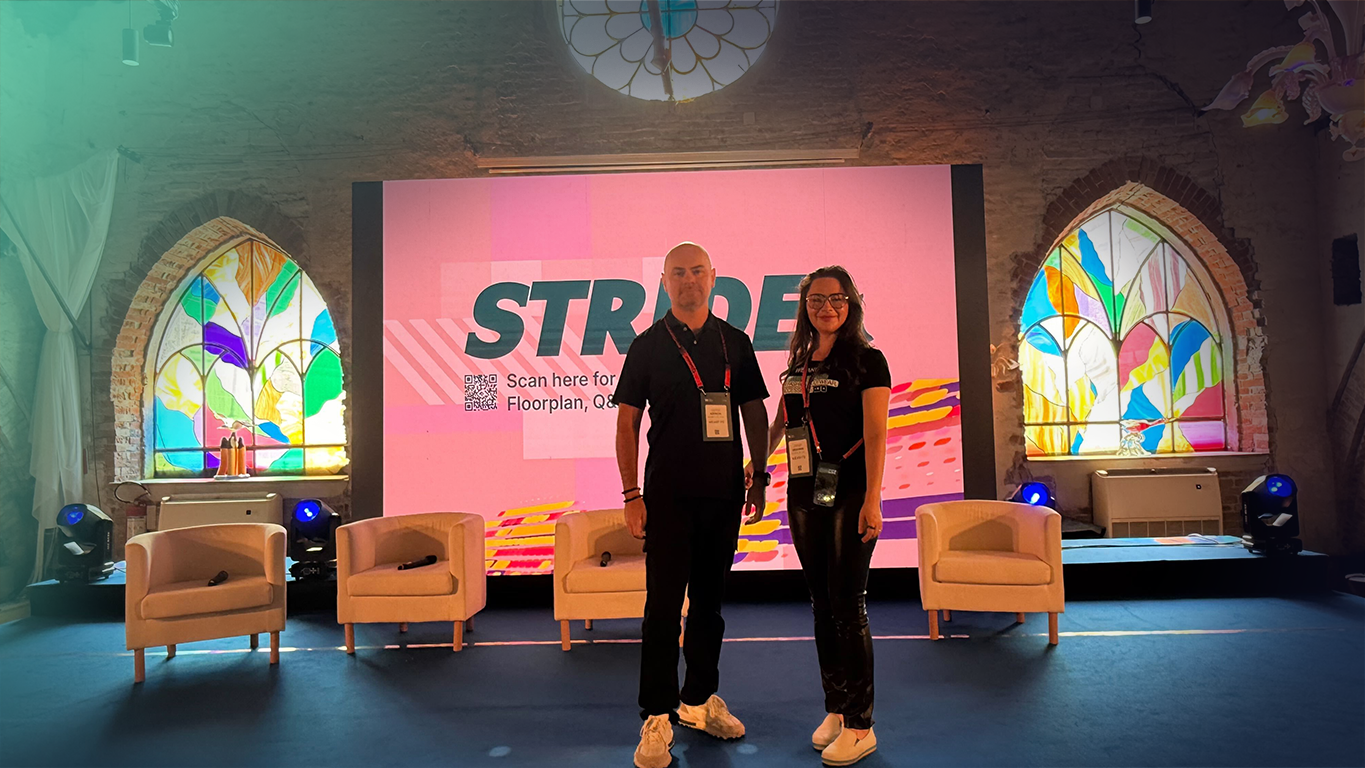
The global footwear industry is entering a new chapter—one that goes far beyond experimentation with digital tools. What we’re seeing now is a full-scale transition into what experts at Stride 2026 are calling the Integration Era.
This shift isn’t just about better software or faster production. It’s about how technology, culture, and systems come together—and, more importantly, how people adapt to that convergence. As tools become more powerful and accessible, the real challenges are no longer technical. They’re human, organizational, and cultural.
Here are five key lessons from Stride 2026 that are shaping the future of footwear.
1. Taste Is the Only Real Competitive Edge
With advanced tools now widely available, technical skill alone is no longer enough to stand out. Designers across the world are using the same software, the same material libraries, and often even the same AI-driven processes. The result? A growing sense of sameness.
What truly sets brands apart today is taste—the ability to make intentional, distinctive choices.
The irony is that the more powerful the tools become, the more important it is to move away from their defaults. Real differentiation doesn’t come from what the software can do, but from why a design exists in the first place.
At its core, design must return to being a cultural expression—rooted in storytelling, emotion, and identity. Technology should support creativity, not replace it.
2. Systems Matter More Than Tools
For years, innovation was limited by what technology could do. Today, that’s no longer the case. The real bottleneck is infrastructure.
Even though 3D tools and digital workflows are incredibly advanced, many brands are still tied to outdated supply chains and rigid seasonal cycles. This mismatch slows everything down.
A common pattern is “pilot purgatory”—brands launch impressive digital experiments that never scale because they aren’t integrated into the core business.
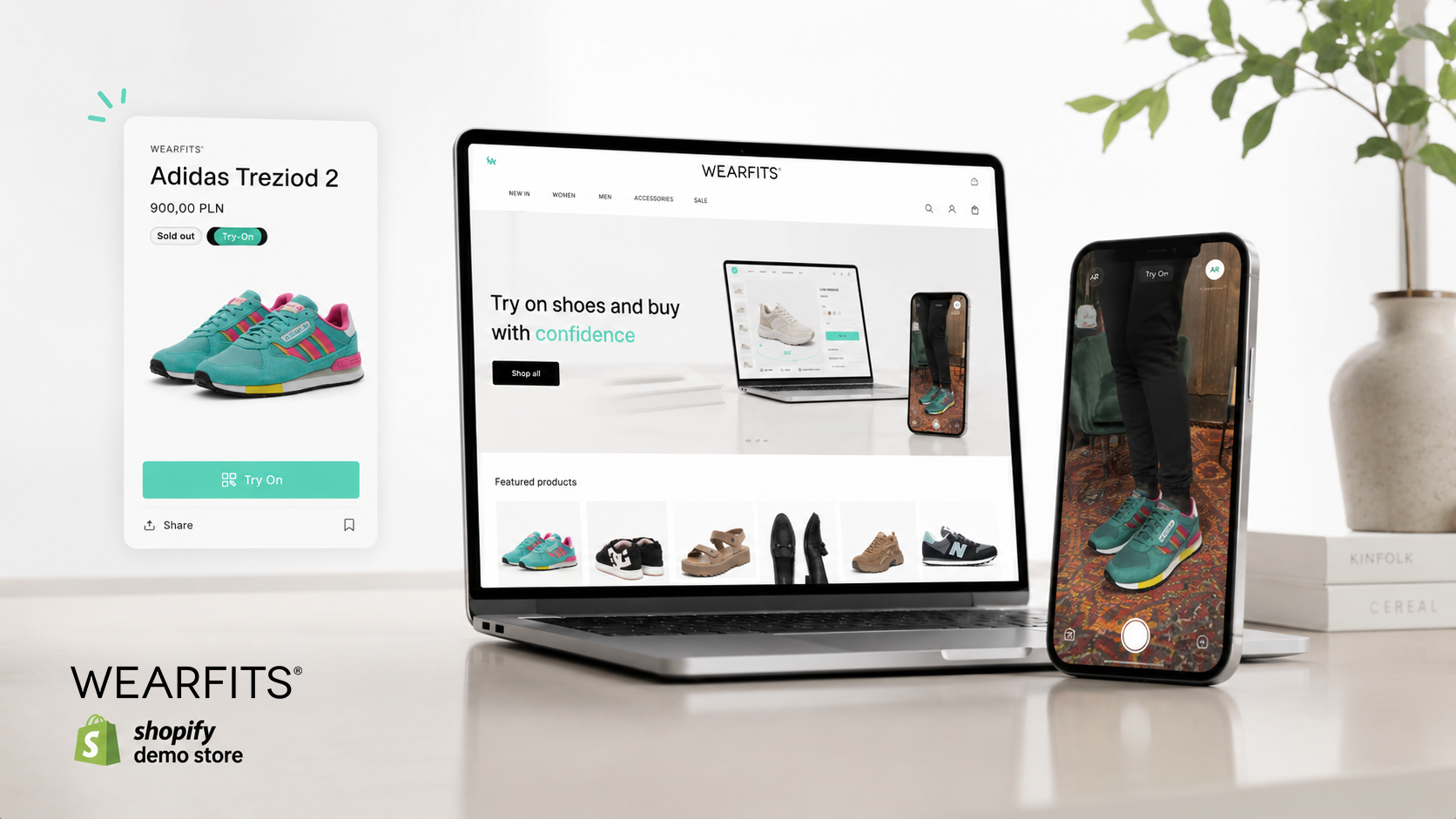
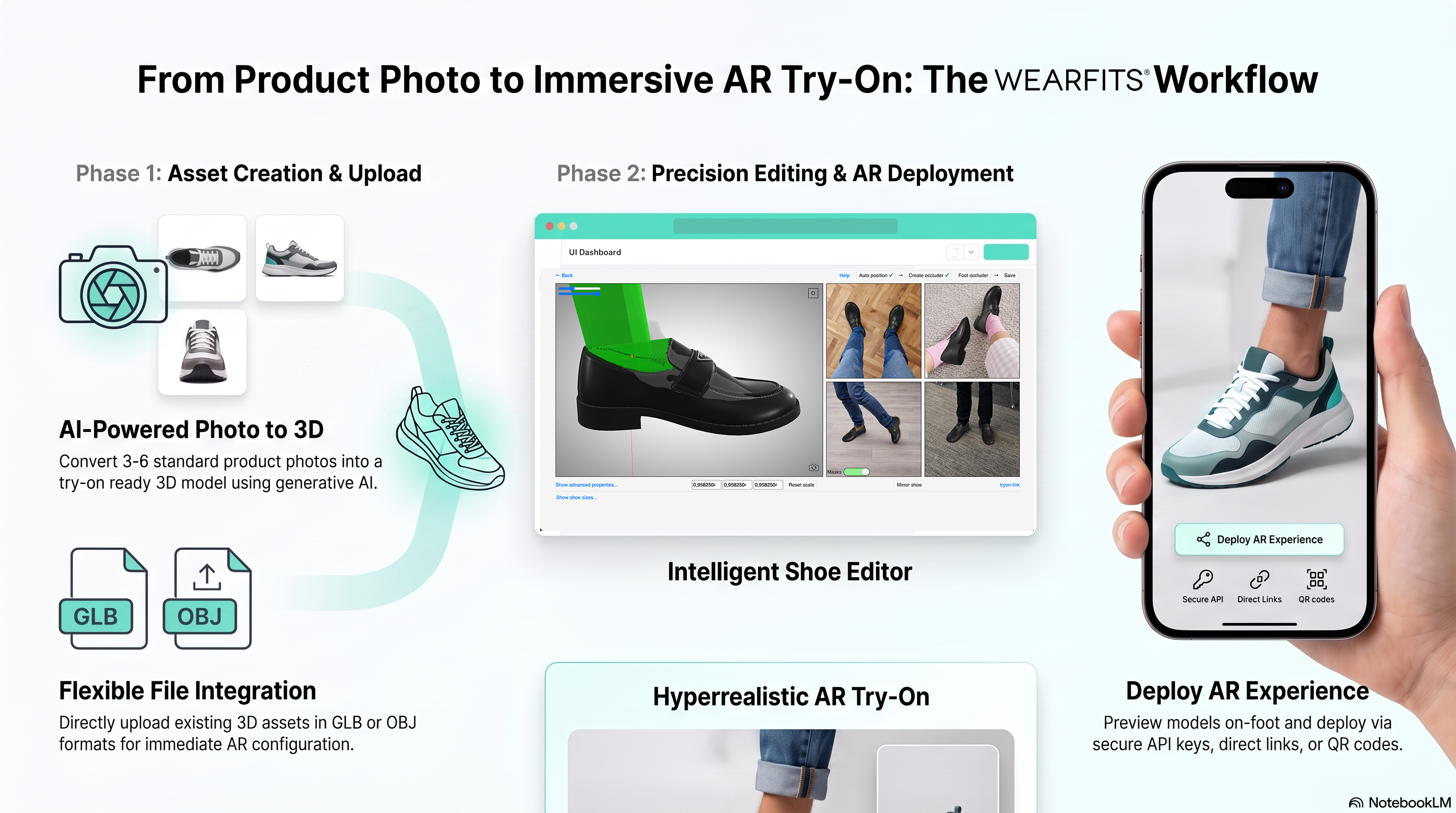
To move forward, companies need to rethink their foundations. That means building systems that fully support digital workflows, like virtual try-ons for shoes and bags—and having the courage to trust digital assets over traditional physical samples.
3. The Industry Needs a “Living File”
One of the biggest hidden challenges in digital design is interoperability. As files move between teams, tools, and factories, critical information often gets lost.
This breakdown creates inefficiencies and compromises the original design intent.
The solution is what many are calling a “living file”—a digital asset that carries everything with it: design history, metadata, and context from start to finish.
Achieving this requires more than better files. It requires a shift toward open, flexible systems that allow different tools and platforms to communicate seamlessly. Without that, true digital integration remains out of reach.
4. Innovation Depends on People, Not Just Technology
Even the best tools are useless if teams aren’t empowered to use them.
One of the most overlooked barriers to innovation is fear. When people feel unsafe making decisions or taking risks, progress slows to a halt. Teams hesitate, overthink, and ultimately stop experimenting.
Creating a culture of psychological safety is essential. Designers need the freedom to test ideas, make mistakes, and iterate quickly.
There’s also a broader issue of access. As technologies like AI and 3D design become central to the industry, ensuring equal access to these tools becomes a matter of fairness. Expanding opportunities for underrepresented communities isn’t just ethical—it’s essential for driving fresh perspectives and innovation.
5. Sustainability Starts at the Design Stage
Sustainability can no longer be treated as an afterthought. It has to be built into the design process from the very beginning.
Instead of focusing only on recycling or waste management, brands need to rethink how products are made in the first place. Often, the most effective solutions come from simplifying—using fewer materials, reducing complexity, and making smarter choices upfront.
But sustainability isn’t just technical—it’s emotional.
Products that age well and develop character tend to stay with consumers longer. When people form a connection with their footwear, they’re more likely to repair and keep it rather than replace it. This idea of “emotional durability” may be one of the most powerful tools for reducing waste.
Looking Ahead
As the industry moves deeper into the Integration Era, success will depend less on adopting new technology and more on how thoughtfully it’s used.
The brands that lead won’t necessarily be the most advanced—they’ll be the most intentional. They’ll learn quickly, adapt continuously, and align every part of their ecosystem around a shared vision.
From craftsmanship to code, the future of footwear will belong to those who can bring it all together—without losing the human element at the center.