Few things in fashion are harder than changing how consumers perceive a brand. Yet a successful repositioning can turn an outdated product into a cultural phenomenon. Kubota, one of Poland’s most recognizable footwear brands, is a strong example of how heritage, nostalgia and modern commerce can work together.
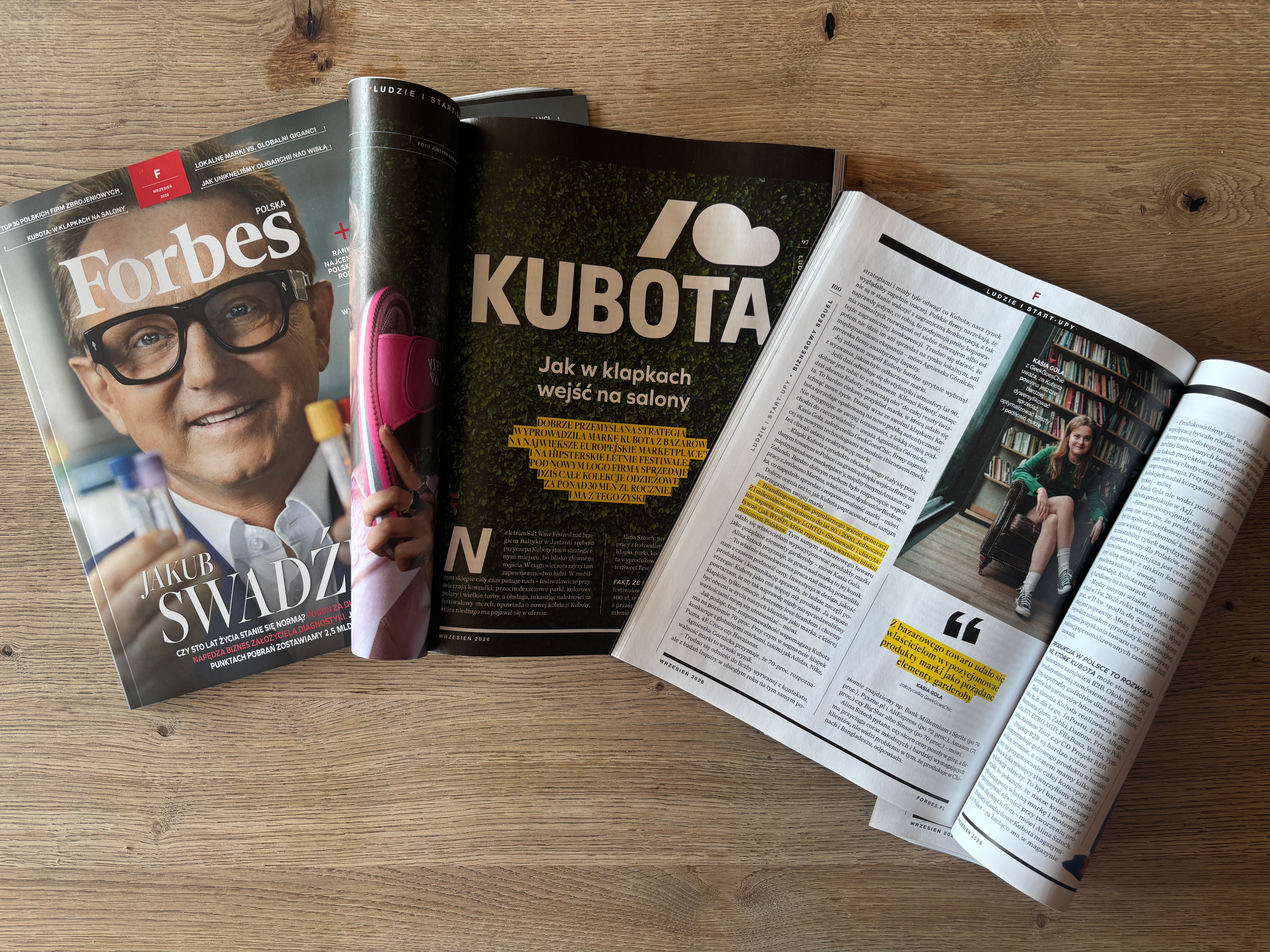
This article is inspired by a Forbes interview with Kasia Gola from WEARFITS, in which she discussed Kubota’s transformation, business model and future growth opportunities. Her observations offer valuable lessons for footwear and accessories brands looking to scale in an increasingly digital market.
Turning Nostalgia Into Brand Value
Kubota’s history stretches back more than three decades, and its brand recognition in Poland is estimated at around 70%. For many consumers, however, the name was once associated primarily with inexpensive slides sold at bazaars during the 1990s.
Instead of distancing itself from that image, Kubota used it as an asset.
The revival of 1990s and early-2000s aesthetics gave the brand an opportunity to reinterpret its past. What had previously been considered unfashionable became ironic, recognizable and culturally relevant. Nostalgia attracted Millennials who remembered Kubota from childhood, while younger consumers embraced its retro character as something distinctive.
At the same time, the company connected its heritage with contemporary culture. Its involvement in initiatives such as Stonewall Group and WOŚP helped position Kubota as a brand participating in conversations important to today’s consumers.
The lesson for established footwear brands is clear: heritage does not have to limit growth. When approached creatively, it can become one of a company’s strongest marketing advantages.
Distribution Matters as Much as Branding
Kubota’s transformation was not built on storytelling alone. Distribution has played an equally important role.
The brand combined traditional retail partnerships with a growing online presence. Cooperation with companies connected to large-scale retail, including Jeronimo Martins, provided access to a broad customer base. At the same time, Kubota expanded through major e-commerce platforms such as Allegro, Amazon and Zalando.
This hybrid approach allows a recognizable brand to benefit from both physical retail scale and digital marketplace reach.
Product diversification has also helped Kubota expand beyond its best-known slides. Categories such as backpacks and fanny packs enable the company to become a broader lifestyle brand while staying within an accessible price segment.
Rather than trying to position itself directly against premium fashion houses, Kubota competes in the mass-market space, where affordability, recognition and availability can be more important than exclusivity.
Balancing Price, Margin and Production
Scaling an accessible footwear brand requires careful control of production costs and margins. According to the figures discussed in the Forbes material, its trade margin reached around 60% in the first quarter of 2026 and 52.3% in the second quarter.
The model also supports large-volume collaborations and B2B projects. Kubota has worked with companies such as Rossmann, Jeronimo Martins and Decathlon, while producing customized products for organizations including Microsoft, Żywiec and Allegro.
At the same time, mass production does not prevent a brand from experimenting with more premium concepts. Kubota has previously introduced natural-leather slides made in cooperation with Polish manufacturers. Limited collections of this kind can strengthen brand perception, generate attention and test demand for higher-priced products without completely restructuring the core supply chain.
It is a strategy visible elsewhere in fashion as well: mass-market brands increasingly use limited premium collaborations to combine accessibility with aspiration.
The Next Challenge: Digital-First Consumers
Kubota has successfully transformed nostalgia into commercial value, but every heritage brand eventually faces another challenge: how to remain relevant to consumers who do not remember its original cultural moment.
For Gen Z and Gen Alpha, the Kubota of the 1990s is not a personal memory. Their relationship with brands is shaped instead by social media, mobile commerce and highly interactive digital experiences.
This is where fashion technology becomes increasingly important.
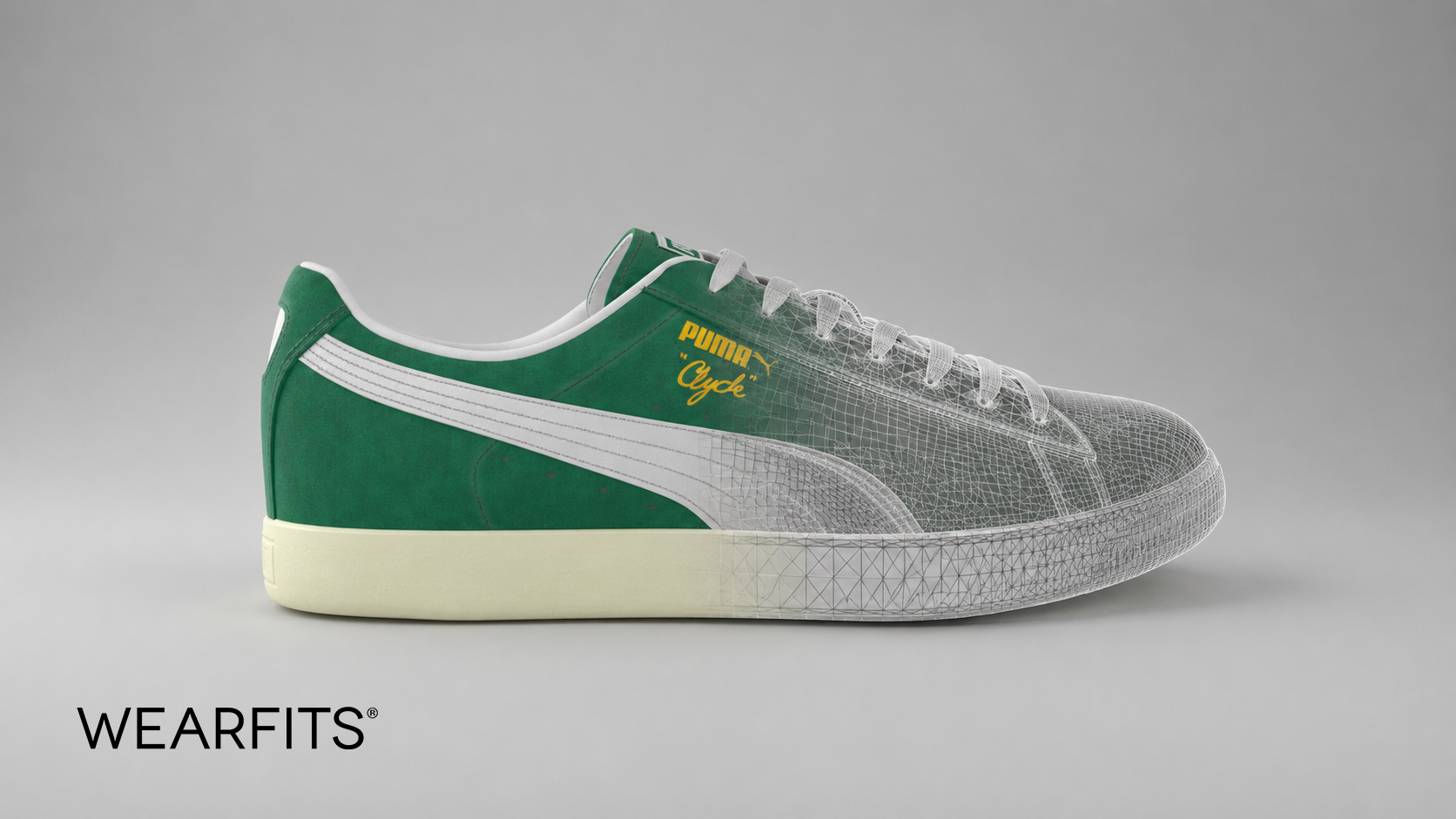
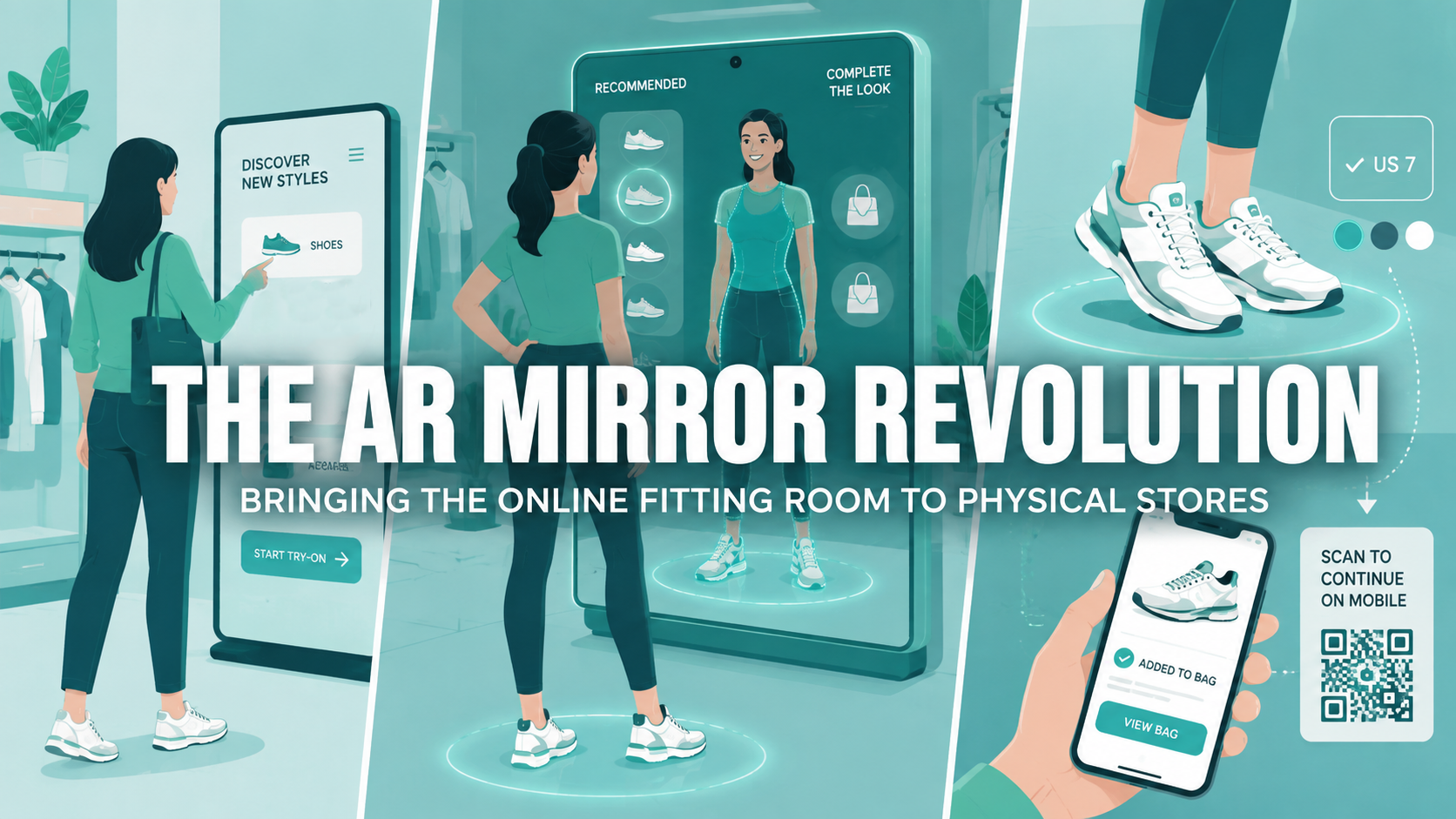
WEARFITS helps footwear and handbag brands bring the fitting-room experience into e-commerce through virtual try-on technology. Customers can digitally visualize how shoes or bags will look before making a purchase, using their own devices rather than relying only on static product photography.
For footwear brands, this can address one of the biggest weaknesses of online shopping: uncertainty. When shoppers have a clearer idea of how a product will look or fit, they can feel more confident about completing a purchase.
Virtual try-on can therefore support higher engagement and conversion while potentially helping brands reduce returns connected with product expectations, sizing or style uncertainty. It also creates a more interactive experience that better reflects how younger consumers expect to shop online.
What Footwear Brands Can Learn From Kubota
Kubota’s story demonstrates that a brand does not have to abandon its past in order to become relevant again.
A recognizable heritage can provide the foundation, but long-term growth requires more: effective distribution, carefully selected partnerships, product diversification, disciplined pricing and an understanding of changing consumer behavior.
The next stage of competition will increasingly take place online. For footwear and accessories companies, combining a memorable brand identity with technologies such as WEARFITS virtual try-on can help connect physical products with the expectations of digital-first shoppers.
Kubota rebuilt its relevance by turning nostalgia into an advantage. The opportunity for today’s footwear brands is to take that same principle one step further—combining strong brand stories with digital experiences designed for the next generation of customers.